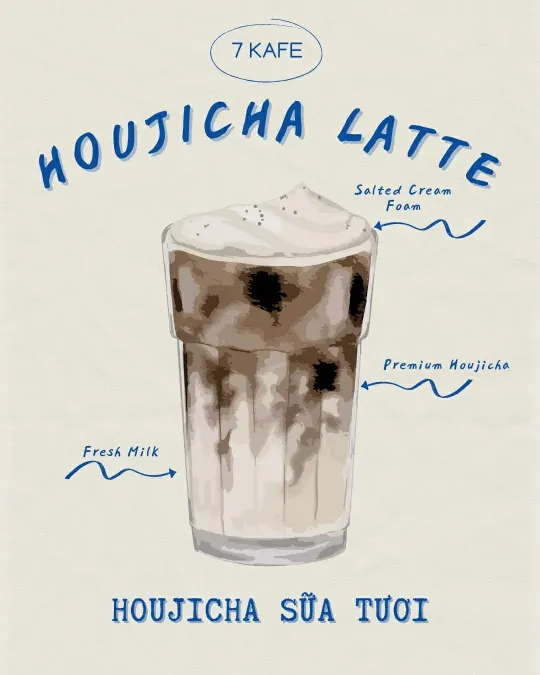
What is Houjicha?
Houjicha (ほうじ茶) is Japanese green tea that has been roasted at around 200°C until the leaves turn a warm reddish-brown. This roasting transforms everything: the grassy freshness of green tea becomes deep caramel, toasted wood, and a subtle smoky sweetness. Most surprisingly, the high heat also drives off the majority of caffeine, making houjicha one of the gentlest teas you can drink.
If matcha is the focused energy of morning, houjicha is the quiet exhale of late afternoon: warm, unhurried, and completely at ease with itself.
Where Does Houjicha Come From?
Houjicha was born in 1920s Japan, not from ceremony or tradition, but from practicality. A tea merchant, faced with excess unsold tea leaves, decided to roast them over charcoal rather than discard them. The aroma that filled the shop drew people in. A new tea was discovered by accident, born from resourcefulness.
That origin story suits houjicha perfectly. There is nothing pretentious about it. No elaborate ritual, no intimidating preparation. It is tea made humble, made warm, made for everyday moments: the kind of tea a Japanese grandmother would brew after dinner for the whole family.
Today it is one of the most widely consumed teas in Japan, beloved precisely because it asks nothing of you except to slow down and drink.
What is the Difference Between Matcha and Houjicha?
This is the question we hear most often at 7 Kafe. Both are Japanese teas, both come from the Camellia sinensis plant, but their paths diverge completely after the leaves are harvested.
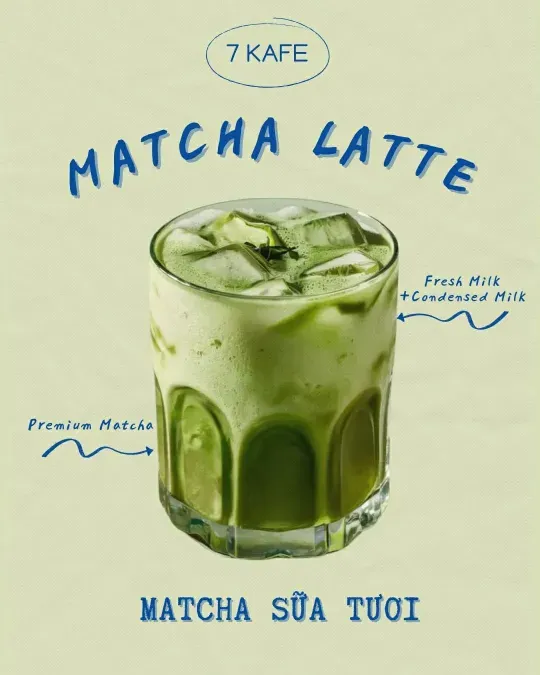
Matcha vs Houjicha: Side by Side
| Matcha | Houjicha | |
|---|---|---|
| Color | Vivid jade green | Warm reddish-brown |
| Flavor | Umami-rich, grassy, slightly bitter | Caramel, toasty, naturally sweet |
| Caffeine per cup | 25–35mg | 7–8mg |
| Processing | Shade-grown, stone-ground to powder | Pan or oven roasted at high heat |
| Best time to drink | Morning, before focused work | Afternoon, evening, before bed |
| Good for | Energy and clarity | Relaxation, caffeine sensitivity |
| Brewed color | Opaque jade green | Clear amber-brown |
Think of it this way: matcha wakes you up, houjicha winds you down. One is sunrise, the other is the last light of afternoon slipping through a window.
Why is Houjicha Becoming Popular in Saigon?
Saigon runs on strong iced coffee and a pace that rarely stops. But there are afternoons when you want something warm and comforting without the caffeine spike, something that says slow down instead of speed up.
Houjicha fills that space naturally.
Its caramel warmth blends beautifully with steamed milk to create a drink that feels familiar, somewhere between a warm cocoa and a refined tea latte, but lighter, more subtle, carrying the quiet spirit of Japanese tea culture into a tropical afternoon.
The houjicha latte scene in Saigon is still emerging, which means finding it done well matters. At 7 Kafe in Binh Thanh, we brew houjicha the patient way: a concentrated steep, properly steamed milk, served in a space designed around the simple idea that some moments deserve to last longer.
People Also Ask
Is houjicha good for people who can’t drink coffee?
Excellent choice. With only 7–8mg of caffeine per cup versus 80–100mg in coffee, houjicha is effectively caffeine-light. People with caffeine sensitivity, those who experience anxiety from coffee, or anyone who simply wants a warm drink after 3pm can enjoy houjicha without disruption to sleep or comfort. (Pregnant women should consult their doctor, as with any caffeinated beverage.)
Can you drink houjicha at night?
Yes, and many people do intentionally. The low caffeine content means it won’t interfere with sleep for most people. The warm, slightly smoky aroma also has a naturally calming quality. In Japan, houjicha after dinner is completely ordinary. Think of it as your evening wind-down ritual in a cup.
Does houjicha taste bitter?
Not at all. The high roasting temperature breaks down the catechins, the compounds responsible for the astringency and bitterness in regular green tea. What remains is smooth, naturally sweet, with a clean caramel finish. Even people who typically dislike the bitterness of green tea or matcha find houjicha approachable.
How is houjicha different from other roasted teas like genmaicha?
Genmaicha is green tea blended with roasted brown rice. It has a nutty, popcorn-like quality and still retains some of the grassy green tea character. Houjicha is the entire leaf roasted, with no additions. The flavor is deeper, more caramel-forward, and the color brews much darker. Both are low-caffeine teas, but they taste and look quite different in the cup.
What does houjicha latte taste like?
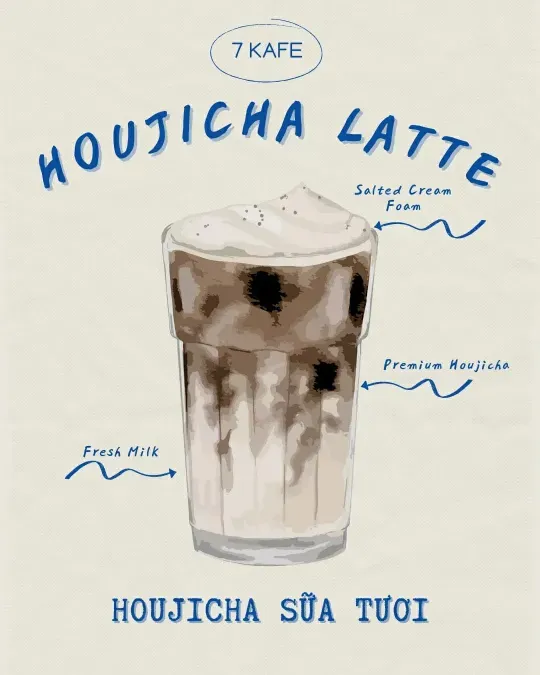
Imagine a latte that tastes of warm caramel and toasted grain: not sweet in a sugary way, but naturally rounded and comforting. The milk softens the roasted edge and adds creaminess without masking the tea’s character. It is richer than a plain cup of houjicha, and gentler than a coffee latte. Many people describe it as the most approachable tea drink they have ever had.
Saigon moves fast. But inside 7 Kafe at 180/79 Nguyen Huu Canh, Binh Thanh, time is allowed to slow. Come for the houjicha latte, stay for the quiet.