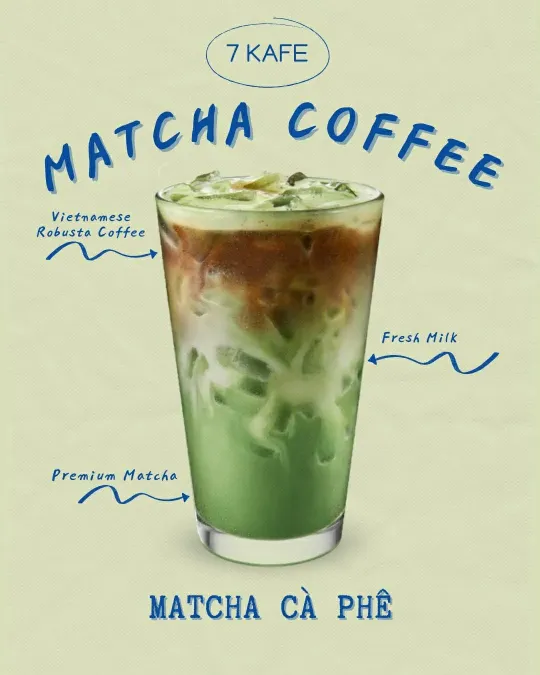
Matcha vs Coffee: Which Should You Choose?
Both deserve a place in your day, and the honest answer is that neither wins outright. Coffee delivers a strong, fast hit of energy perfect for mornings. Matcha offers calm, sustained focus that carries you through the afternoon without a crash. The real question isn’t which is better; it’s which one you need right now.
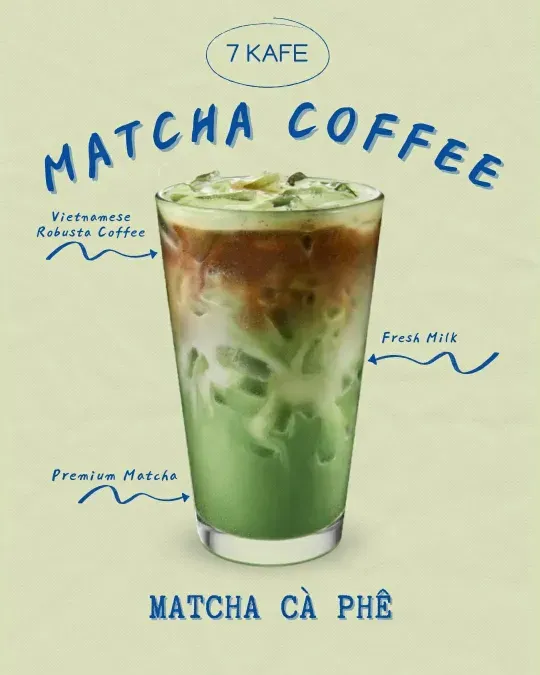
The matcha vs coffee debate shows up everywhere: wellness blogs, cafe menus, group chats. Usually it’s framed as a competition. But the more interesting question, the one worth actually sitting with over a drink, is what each one does, and when.
Let’s get into it.
Caffeine: Same Molecule, Very Different Experience
This is where most comparisons go wrong. They count milligrams and declare a winner. But caffeine doesn’t work in isolation, and in matcha, it genuinely behaves differently.
Coffee: Caffeine absorbs quickly, hitting peak concentration in your bloodstream within 30–45 minutes. The result is a fast, recognizable jolt: sharp, effective, sometimes followed by a crash when levels drop 2–3 hours later.
Matcha: The leaves contain L-theanine, an amino acid that slows caffeine absorption and modulates its effects. The result is a gentler curve: no spike, no crash, and a mental state that Japanese tea culture has a phrase for: calm alertness. Present, focused, but not wired.
| Matcha | Phin Coffee (Vietnamese) | |
|---|---|---|
| Caffeine per serving | 40–70mg | 80–120mg |
| Absorption speed | Slow, steady | Fast, peaks quickly |
| Duration of effect | 4–6 hours | 2–4 hours |
| Crash likelihood | Low | Higher |
| Stomach sensitivity | Gentler | Can stimulate acid |
Neither is objectively superior. They’re built for different moments.
Flavor: Two Completely Different Languages
If caffeine is the science, flavor is the art, and this is where matcha and coffee inhabit entirely separate worlds.
Coffee speaks in depth and intensity: roasted, bitter, sometimes caramelized, occasionally bright and fruit-forward in specialty varieties. A good black coffee rewards attention; there are layers to explore if you slow down enough to find them. Vietnamese cà phê sữa đá adds sweetened condensed milk into the equation, creating something that’s rich, bold, and wholly its own thing.
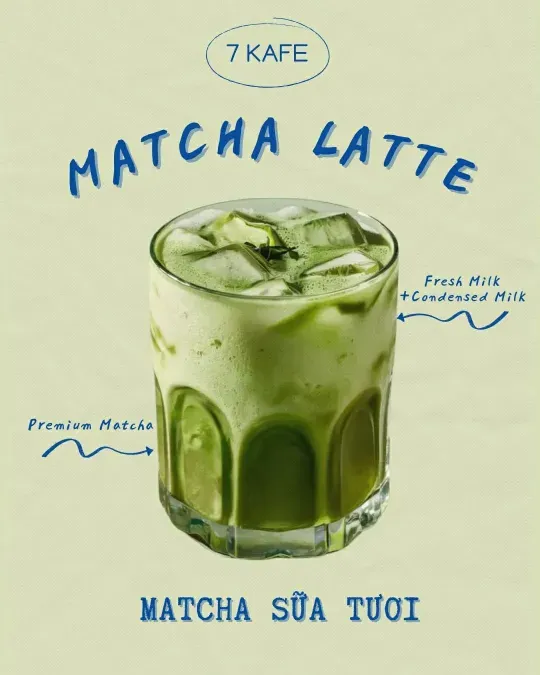
Matcha speaks in subtlety: umami-forward, herbaceous, with a gentle bitterness that gives way to a natural sweetness on the finish. A well-made matcha latte balances that earthy quality with the softness of milk: grounding and clean at once.
Neither is better. But they are genuinely different. Coffee is familiar, warming, direct. Matcha is quieter; it asks you to pay attention.
Full Comparison: Matcha vs Coffee
| Category | Matcha | Coffee |
|---|---|---|
| Caffeine | 40–70mg/serving | 60–120mg/serving |
| Effect speed | Slow, sustained | Fast, peaks high |
| Flavor profile | Umami, herbaceous, clean | Roasted, bitter, caramel |
| Key antioxidants | EGCG (very high) | Chlorogenic acid |
| Mood effect | Calm focus | Alert, energized |
| Best time to drink | Afternoon, deep work | Morning, quick start |
| Sleep impact | Lighter if after 3pm | Caution after 2pm |
| Good for | Caffeine-sensitive, long sessions | Fast energy, early mornings |
Health: Both Have Real Things to Offer
The internet tends to turn this into a war. It doesn’t need to be.
Matcha’s strengths:
- EGCG (epigallocatechin gallate): the most potent antioxidant in green tea, associated with cellular protection and anti-inflammatory effects
- L-theanine: supports calmness, focus, and reduced stress response; works synergistically with caffeine
- Chlorophyll: from the shading process used in cultivation, contributing to matcha’s vivid green color and its reputation for gentle detox support
Coffee’s strengths:
- Chlorogenic acid: antioxidant linked to heart health and blood sugar regulation
- Metabolic support: moderate coffee consumption has been associated with improved fat oxidation
- Liver health: multiple studies point to a positive relationship between regular coffee drinking and liver function
Both contain caffeine, which has well-documented benefits for cognitive performance, reaction time, and short-term focus when consumed in appropriate amounts.
The honest takeaway: neither is a superfood, neither is a villain. Drink what you enjoy, in amounts that feel good, and pay attention to how your body responds.
When to Choose Coffee, When to Choose Matcha
This is the practical part. Not rules, just patterns worth trying.
Choose coffee when:
- You need to be alert within 30 minutes (early meetings, commutes, morning starts)
- You want the familiar warmth and intensity that coffee uniquely provides
- You have a short, high-intensity task that needs a fast kick
- It’s before 11am and your body is still warming up
Choose matcha when:
- It’s afternoon and you want to maintain energy without risking sleep
- You’re settling in for a long session: reading, writing, studying, deep work
- Your stomach is sensitive and coffee has been irritating it
- You want to experience something quieter and more considered
- Curiosity is enough of a reason
Choose both when:
- You’re the kind of person who takes their drinks seriously and sees no reason to pick a team, which is a perfectly reasonable position to hold.

Why Not Both? The Case for Not Choosing
Here’s the thing about the matcha vs coffee debate: it’s a false binary.
Coffee drinkers sometimes view matcha as a trend, something precious and overhyped. Matcha enthusiasts sometimes view coffee as too blunt, too acidic, too ordinary. Both camps are missing something.
The people who get the most out of their drink choices are usually the ones who stopped picking sides. Coffee in the morning, matcha in the afternoon. Or the other way around. Or whichever one the moment calls for.
Finding a cafe in Saigon that does both with genuine care is harder than it sounds. Most coffee shops treat matcha as an afterthought: cheap powder, a quick stir, no real understanding of what it should taste like. Most matcha-focused places don’t put the same effort into their coffee program.
That’s part of what makes 7 Kafe in Binh Thanh worth mentioning. It’s one of the few places in Saigon that approaches both matcha and coffee with the same level of attention, not because it wants a long menu, but because the philosophy of the place is that both deserve to be made well. If you’ve been curious about trying matcha but don’t want to give up your coffee, it’s a good place to try both without committing to either.
The Answer You Didn’t Expect
After all the comparisons: the answer to “matcha or coffee?” is not a drink name.
It’s this: try both, and let your body tell you what it needs on any given morning.
A day that starts with a strong phin coffee and drifts into a quiet afternoon matcha latte is not indecision. It’s attentiveness. It’s knowing your tools and using them well.
The best matcha and coffee cafes in Saigon, places like 7 Kafe on Nguyen Huu Canh Street, understand this. They’re not asking you to choose a side. They’re offering you both, made properly, and trusting you to figure out the rest.
That feels like the right answer.
7 Kafe is open daily 7:00 AM – 10:00 PM at 180/79 Nguyen Huu Canh, Binh Thanh, Ho Chi Minh City. Where time slows down.